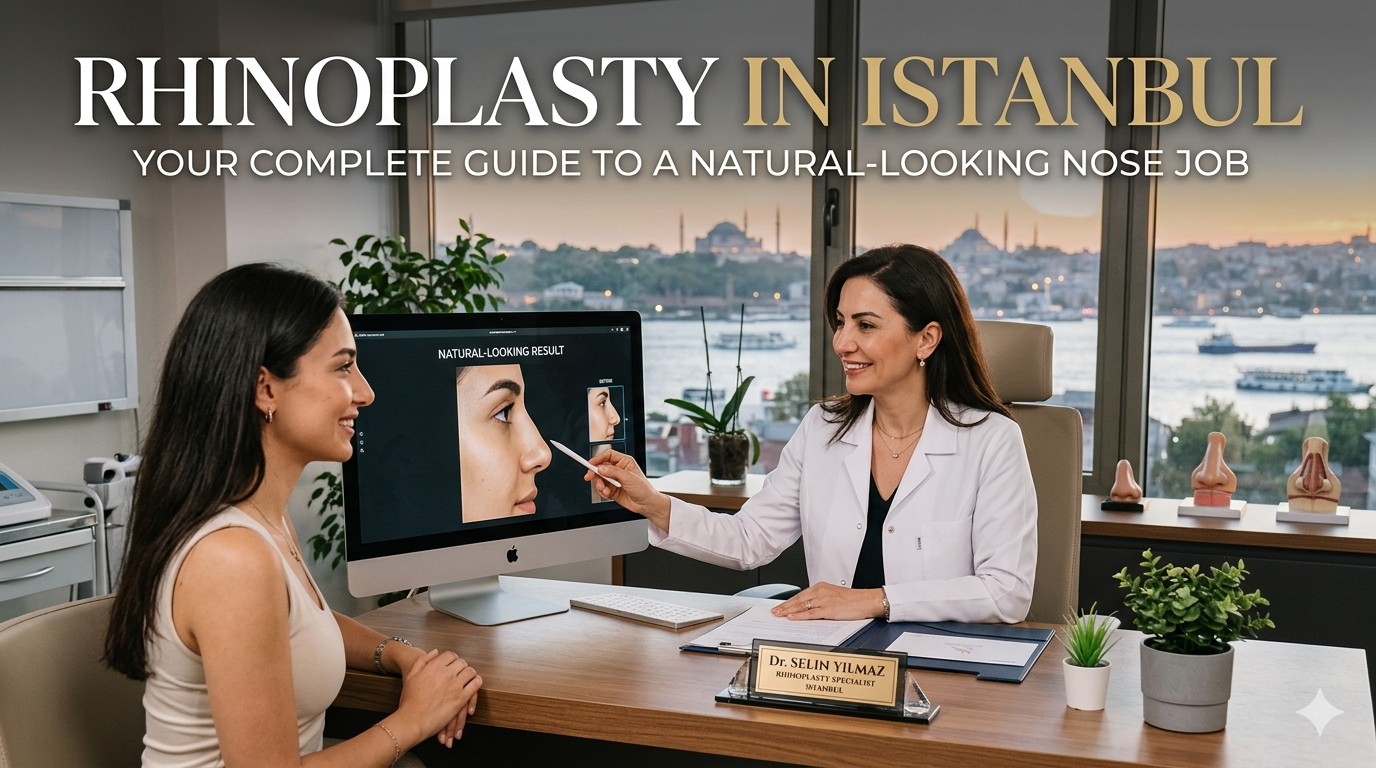
Rhinoplasty, commonly known as a nose job, is one of the most sought-after cosmetic procedures worldwide. While many people associate rhinoplasty with changing the appearance of the nose, modern rhinoplasty focuses on achieving harmony between the nose and the rest of the facial features rather than creating a one-size-fits-all result.
Today, patients increasingly seek natural-looking outcomes that enhance facial balance while preserving their unique identity. Whether the goal is correcting a prominent hump, refining the nasal tip, improving symmetry, or addressing breathing issues, rhinoplasty requires a highly individualized approach.
Istanbul has become one of the world’s leading destinations for rhinoplasty, attracting thousands of international patients each year due to its experienced surgeons, advanced techniques, and comprehensive medical tourism services.
What Is Rhinoplasty?
Rhinoplasty is a surgical procedure designed to reshape, resize, or reconstruct the nose. The surgery can address both cosmetic and functional concerns.
Common reasons patients consider rhinoplasty include:
- Reducing a dorsal hump
- Refining a bulbous nasal tip
- Correcting nasal asymmetry
- Narrowing the nose
- Improving facial balance
- Correcting previous nasal injuries
- Addressing breathing difficulties
- Repairing a deviated septum
The procedure can be performed for aesthetic improvements, functional corrections, or a combination of both.
What Defines a Natural-Looking Rhinoplasty?
One of the biggest shifts in cosmetic surgery over the past decade has been the move away from overly sculpted or obviously operated noses.
A natural-looking rhinoplasty aims to:
- Complement facial proportions
- Preserve ethnic characteristics when desired
- Improve profile balance
- Maintain proper nasal function
- Avoid an artificial appearance
The best rhinoplasty results are often the ones people do not immediately recognize as surgical.
Instead of noticing the nose itself, observers tend to notice improved facial harmony.
Common Rhinoplasty Goals
Every patient’s anatomy and goals are unique, but certain requests are especially common.
| Concern | Potential Rhinoplasty Solution |
|---|---|
| Dorsal hump | Smoothing the nasal bridge |
| Wide nose | Refining nasal width |
| Bulbous tip | Tip reshaping techniques |
| Crooked nose | Structural correction |
| Drooping tip | Tip elevation and support |
| Breathing issues | Functional rhinoplasty or septoplasty |
The ideal treatment plan depends on both aesthetic goals and underlying nasal structure.
Open vs Closed Rhinoplasty
There are two primary surgical approaches used in rhinoplasty.
Open Rhinoplasty
Open rhinoplasty involves a small incision across the columella, the strip of tissue between the nostrils.
Advantages include:
- Greater surgical visibility
- Enhanced precision for complex cases
- Better access for structural corrections
Closed Rhinoplasty
Closed rhinoplasty places all incisions inside the nostrils.
Advantages include:
- No external scar
- Reduced swelling in some cases
- Shorter operative time for suitable candidates
The appropriate approach depends on the complexity of the procedure and the patient’s anatomy.
Why Facial Proportions Matter More Than Nose Size
Many patients initially focus on making their nose smaller. However, successful rhinoplasty is less about reducing size and more about creating facial balance.
Surgeons evaluate:
- Chin projection
- Forehead shape
- Lip position
- Facial symmetry
- Eye spacing
- Skin thickness
For example, a nose that appears large may actually seem disproportionate because of a recessed chin rather than excessive nasal size.
This is why comprehensive facial analysis is a crucial part of modern rhinoplasty planning.
Real-World Example: Why the Same Nose Doesn’t Suit Everyone
Imagine two patients requesting the same celebrity-inspired nose shape.
Patient A
- Strong jawline
- Defined cheekbones
- Thin nasal skin
Patient B
- Softer facial features
- Thicker nasal skin
- Different facial proportions
Applying the exact same surgical plan to both individuals could produce vastly different outcomes.
This illustrates why personalized rhinoplasty consistently delivers better and more natural results than attempting to replicate someone else’s appearance.
Functional Benefits of Rhinoplasty
While many patients focus on cosmetic improvements, rhinoplasty can also improve nasal function.
Functional concerns may include:
- Deviated septum
- Nasal obstruction
- Breathing difficulties
- Previous trauma
- Internal valve collapse
In some cases, improving airflow and breathing can significantly enhance quality of life alongside aesthetic improvements.
Recovery Timeline: What to Expect
Recovery is gradual, and understanding the healing process helps patients set realistic expectations.
| Recovery Stage | Typical Timeline |
| Initial swelling and bruising | 1–2 weeks |
| Return to desk work | 7–14 days |
| Removal of splint | Around 1 week |
| Exercise restrictions | 4–6 weeks |
| Noticeable refinement | 3–6 months |
| Final results | Up to 12–18 months |
Many patients are surprised to learn that the nose continues to refine long after the initial healing period.
Patience is an important part of the rhinoplasty journey.
Case Study: Achieving Balance Rather Than Perfection
A 28-year-old patient sought rhinoplasty because she felt her nose dominated her facial profile. She initially requested a dramatic reduction in size.
During consultation, facial analysis revealed that a subtle bridge refinement and tip reshaping would better complement her features than aggressive reduction.
Following surgery, the nose appeared more balanced while maintaining her natural facial identity. Friends and family frequently commented that she looked refreshed but could not identify exactly what had changed.
This outcome reflects one of the primary goals of modern rhinoplasty: enhancement without obvious alteration.
Why Istanbul Has Become a Global Rhinoplasty Hub
Istanbul is widely recognized as one of the leading destinations for rhinoplasty due to several factors:
- Experienced rhinoplasty surgeons
- High surgical volume and expertise
- Advanced technology and facilities
- International patient support
- Personalized treatment planning
- Established medical tourism infrastructure
Many international patients appreciate the combination of quality care and comprehensive support throughout their surgical journey.
Important Questions to Ask Before Rhinoplasty
Before moving forward with surgery, patients should discuss:
- What results are realistically achievable?
- Which surgical approach is recommended?
- Will breathing function be affected?
- How long will recovery take?
- What type of swelling should be expected?
- Are computer-generated simulations available?
Open communication during consultation is essential for aligning expectations with achievable outcomes.
Frequently Asked Questions
How long do rhinoplasty results last?
Rhinoplasty results are generally considered permanent. While natural aging continues, the structural changes made during surgery typically remain long-term.
Does rhinoplasty improve breathing?
It can. Functional rhinoplasty and septoplasty procedures may improve airflow and correct structural issues that contribute to breathing difficulties.
Will my nose look fake after surgery?
Modern rhinoplasty techniques prioritize facial harmony and natural-looking results. The goal is usually enhancement rather than creating an obviously altered appearance.
How painful is rhinoplasty recovery?
Most patients describe discomfort and congestion rather than significant pain. Prescribed medications and proper aftercare typically help manage symptoms.
When can I travel after rhinoplasty?
Travel recommendations vary depending on recovery progress, but many international patients return home after receiving clearance from their surgeon.
Can rhinoplasty fix a crooked nose?
In many cases, yes. Surgical techniques can address asymmetry caused by genetics, injury, or structural abnormalities.
Conclusion
Rhinoplasty is one of the most transformative facial procedures because even subtle changes can significantly improve overall facial harmony. However, the most successful outcomes are not necessarily the smallest noses or the most dramatic transformations.
A natural-looking rhinoplasty focuses on balance, proportion, and preserving individual character while addressing aesthetic and functional concerns. Understanding the procedure, recovery process, and realistic expectations can help patients make informed decisions and achieve satisfying long-term results.
Considering Rhinoplasty in Istanbul?
BEST MED TURKEY provides personalized rhinoplasty consultations and comprehensive support for international patients. Our team works closely with patients to develop treatment plans tailored to their facial anatomy, goals, and expectations. Contact us today to learn more about your rhinoplasty options in Istanbul.